7 Hyaluronic Acid Ideas for Deep Hydration
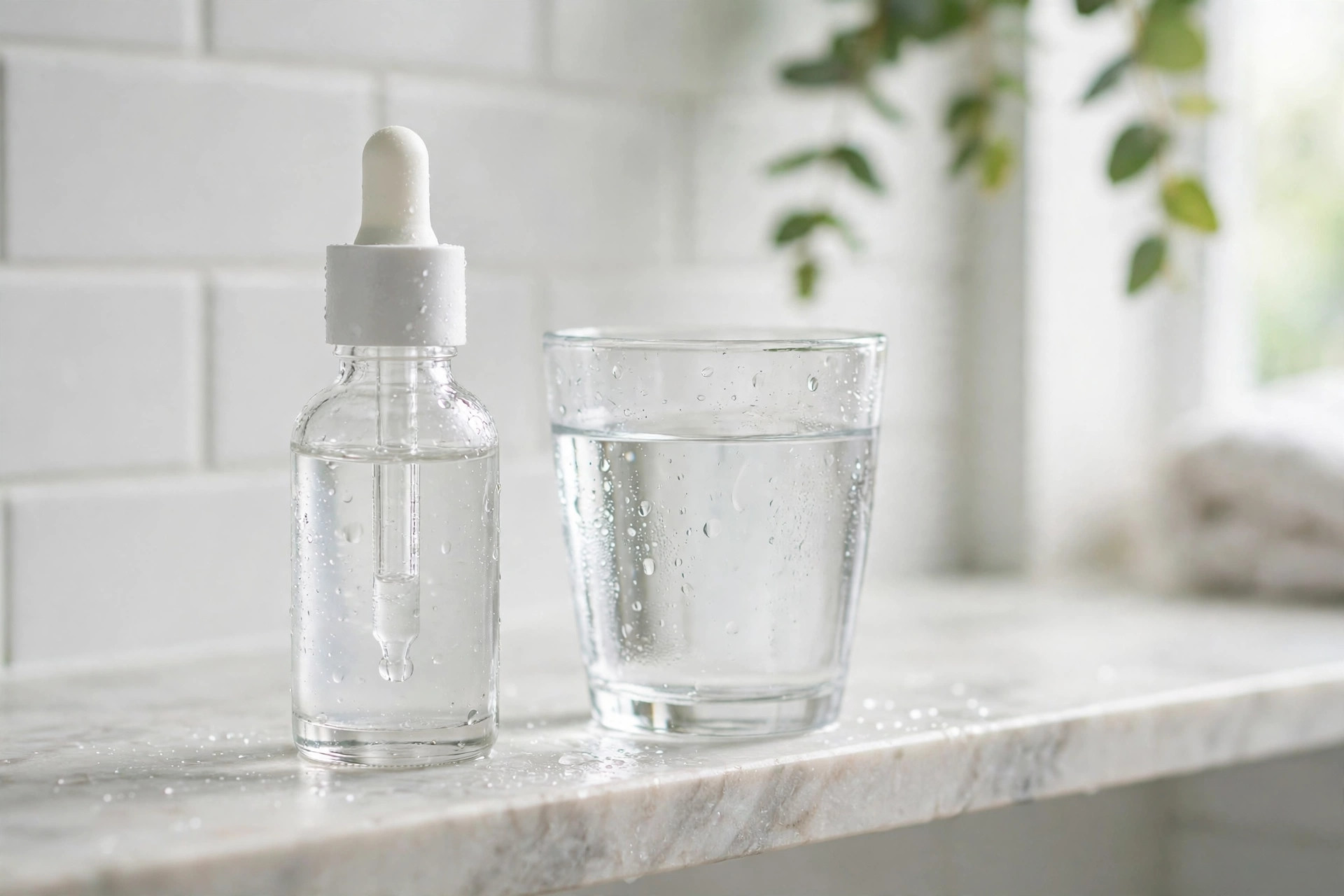
Hyaluronic acid is a moisture magnet: it pulls water into the skin and holds it there, which is why skin looks plumper and dewier after using it. It is gentle enough for almost everyone, including sensitive skin, and it fits into any routine without fuss. The trick is not the product itself but how you layer it, because hyaluronic acid needs water and a good cream on top to work properly.
These seven ideas show you how to apply it, what to pair it with, and the small mistakes that make it useless, so every drop counts. Start with damp skin, seal it in, and give it a few weeks. Every idea is simple on its own, and together they turn one serum into the most hardworking step in your routine.
1. Always apply it on damp skin
Hyaluronic acid needs water to work, so applying it to dry skin is like giving a sponge nothing to soak up. After cleansing or toning, leave your face slightly damp, then press two or three drops of serum into your skin while it is still wet. The serum grabs that surface water and pulls it into the skin, which is what makes your face look plump and fresh. If your skin is already dry, splash a little water on first, because damp skin is the whole secret to this ingredient.
2. Seal it in with moisturiser every time
Hyaluronic acid pulls moisture in, but it cannot keep it there on its own, so a moisturiser on top is not optional. After the serum sinks in for about a minute, apply your usual moisturiser to lock the hydration in place. Without that seal, the water the serum pulled in can escape again, especially in dry air or air conditioning, and skin can end up feeling tighter than before. Think of the serum as the water and the cream as the lid, because you need both for the system to work.
3. Layer it under makeup for a dewy base
Makeup sits better on hydrated skin, and a thin layer of hyaluronic acid under your base is the easiest way to get that dewy, fresh finish. Apply the serum, wait a minute, add moisturiser and sunscreen, then do your makeup as usual. Foundation glides on more smoothly, powder looks less dry, and the whole face looks fresher for longer. If your makeup tends to crack or look patchy by afternoon, this one layer is often the fix, because dry skin is usually the real problem.
4. Use it twice a day in dry weather
In winter or dry climates, one application is often not enough, and using hyaluronic acid morning and night makes a visible difference. Apply it after cleansing in the morning and again in the evening, always on damp skin and always sealed with cream. The extra layer is gentle enough for daily use, and it keeps skin comfortable through heating, cold wind and dry indoor air. If your skin still feels tight, add a richer cream on top rather than more serum, because the cream is what holds the moisture in.
5. Do not use it alone in very dry air
In very dry air, hyaluronic acid can pull moisture from deeper skin layers instead of from the air, which is the opposite of what you want. The fix is simple: always apply it to damp skin and always follow with moisturiser, and never use it on its own as your only step. If you live somewhere very dry, mist your face with water first, then apply the serum, then cream. Used the right way it is safe and helpful anywhere, but the damp-skin and cream steps matter most when the air itself is dry.
6. Pair it with vitamin C in the morning
Hyaluronic acid and vitamin C are a gentle morning pair, because the acid hydrates while the vitamin C brightens, and neither one irritates the other. Apply vitamin C first on clean skin, wait a minute, then press hyaluronic acid over damp skin, and finish with moisturiser and sunscreen. The two serums work on different jobs at the same time, so your morning routine covers brightness and hydration in one go. Keep the order the same every day, and both products will do their best work.
7. Keep the bottle simple and fragrance-free
Hyaluronic acid works best in a simple, fragrance-free serum, because extra scent and colour add nothing and can irritate sensitive skin. Look for a short ingredient list with hyaluronic acid near the top, and skip bottles that list fragrance or strong essential oils. A clear, plain serum is the most reliable choice, and it is usually the cheapest too. Save your money for the product itself, not the packaging or the scent, because plain hyaluronic acid is all your skin needs.

Shop the look
These are the pieces and products that help you get this look. Names only — no links or prices yet.
- Hyaluronic acid serum
- Gentle gel cleanser
- Hydrating toner
- Lightweight gel-cream moisturiser
- Rich face cream
- Facial mist spray
- Vitamin C serum
- Broad-spectrum sunscreen SPF 30
- Soft cotton pads
Frequently asked questions
Can I use hyaluronic acid every day?
Yes, it is gentle enough for daily use, morning and night, on almost every skin type. Apply it on damp skin and seal it with moisturiser. If your skin feels tight, you may be skipping the cream step, which matters more than the serum itself.
Does hyaluronic acid work on oily skin?
Yes, oily skin needs hydration too, and hyaluronic acid is light and water-based, so it does not add oil or shine. Use a thin layer on damp skin, then a light gel-cream on top. Hydrated skin often produces less oil over time.
What should I not mix with hyaluronic acid?
It pairs well with almost everything, including vitamin C and retinol. Just avoid using it on dry skin without moisturiser on top, especially in dry air, because it needs water and a seal to work properly.