7 Long Layered Haircut Ideas for Easy Movement
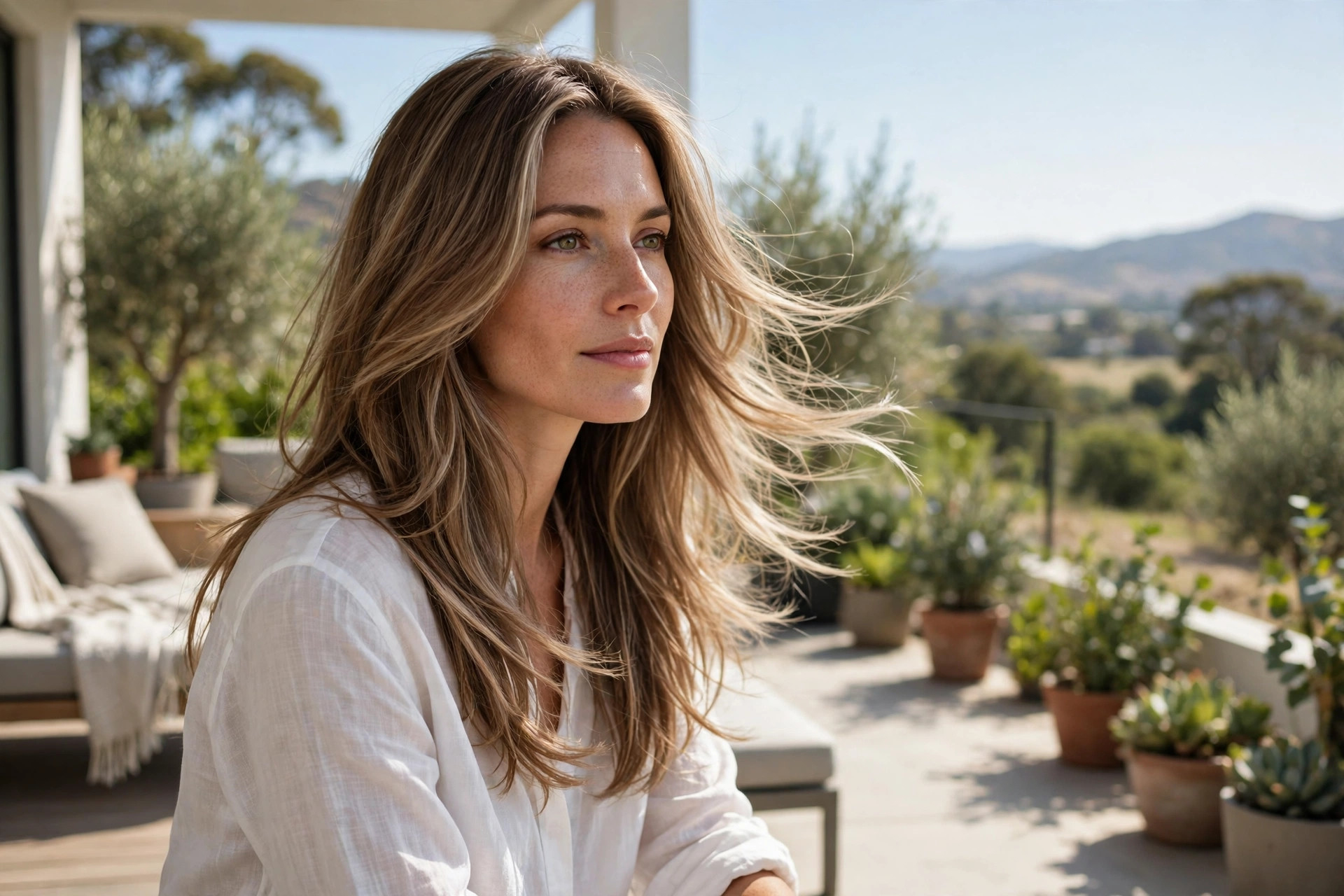
Long hair can look heavy and flat without layers, and that is exactly what long layers fix: they remove weight, add movement, and give the hair a shape that looks alive instead of just long. Layers make long hair easier to style, quicker to dry, and far more flattering, because the shape frames the face instead of hiding it. If you love your length but want it to look better, layers are the answer.
These seven ideas cover face-framing layers, soft ends, curtain layers and the styling that shows them off, so you can find the layered cut that suits your hair. Talk to your stylist about your hair type, start with subtle layers, and build up from there. Every idea is a different way to wear long layers, and together they show how much a good cut can do.
1. Start with subtle long layers
Subtle long layers are the safest way to try the cut, because they remove just enough weight to add movement without changing the length you see. Ask your stylist for long layers that start at the collarbone or below, keeping the top smooth and the ends light. The result is hair that still looks long, but moves when you walk and does not hang flat. Subtle layers are perfect if you are nervous about losing length, because the change is gentle, and you can always ask for more layers next time.
2. Add face-framing layers
Face-framing layers are shorter pieces around the front that soften the face and make the whole cut look more polished. Ask for layers that start at the cheekbones or jawline and blend into the longer hair behind, so the front frames your face like a curtain. These pieces catch the light, soften strong features, and look lovely when you pull your hair back, because a few soft strands always escape. Face-framing layers suit every face shape, and they are the single most flattering addition to a long cut.
3. Try curtain layers for a soft finish
Curtain layers are long, face-framing pieces that part in the middle and fall on either side like curtains, and they give long hair a soft, romantic finish. Ask for layers that start at the cheekbones and fall past the chin, blending into the rest of the hair, and part your hair in the middle to show them off. The curtain shape softens the face, adds movement around the front, and looks beautiful both down and pulled back. It is a gentle, flattering style that works on straight and wavy hair alike.
4. Keep the ends light with texturising
Heavy ends make long hair look triangular and flat, so asking your stylist to texturise the ends is the fix. Texturising thins the very ends slightly, so they move and separate instead of hanging in one solid block. The result is hair that looks lighter, bouncier and more modern, without losing any visible length. Ask for light texturising only, because too much can make the ends look thin, and a skilled stylist will take just enough to give movement while keeping the hair looking full.
5. Style with a round brush for bounce
A round brush blow-dry is the styling that shows off long layers best, because it lifts the roots and curls the ends under, which makes the layers visible. After washing, apply a light mousse, then blow-dry sections with a large round brush, rolling the ends under as you go. The layers will fall in soft, bouncy curves instead of hanging straight, and the whole cut will look like it has movement built in. It takes a little practice, but the result is worth it, and the bounce lasts all day.
6. Use a light oil to define the layers
A tiny amount of lightweight hair oil on the mid-lengths and ends is what makes layers look defined rather than fuzzy. Warm two or three drops between your palms, smooth them over the ends only, and avoid the roots so the hair does not look greasy. The oil adds shine, tames flyaways, and helps the layers separate into soft, visible pieces. A little goes a long way, so start with less than you think you need, because too much oil weighs the layers down and hides the movement you are trying to show.
7. Trim every eight weeks to keep the shape
Long layers lose their shape as hair grows, so a trim every eight weeks is what keeps the cut looking intentional rather than overgrown. Ask your stylist to maintain the layers, taking a small amount off the ends and refreshing the face-framing pieces, rather than cutting the length. Regular trims also remove split ends, which make layers look ragged and thin. Keeping the shape fresh is the difference between long layered hair that looks styled and long hair that just looks long, so book the trim before the shape disappears.

Shop the look
These are the pieces and products that help you get this look. Names only — no links or prices yet.
- Light hair mousse
- Large round brush
- Lightweight hair oil
- Heat protectant spray
- Wide-tooth comb
- Hair clips
- Silk pillowcase
- Leave-in conditioner
- Texturising spray
Frequently asked questions
Do long layers suit all hair types?
Yes, layers work on straight, wavy and curly hair, but the placement differs. Straight hair shows layers most clearly, wavy hair gets extra movement, and curly hair needs longer layers to avoid too much volume on top. Your stylist can adjust the cut to your type.
Will layers make my hair look thinner?
No, if done well. Subtle long layers remove weight but keep the ends full, so hair looks lighter and more mobile, not thinner. Ask for light texturising only, and avoid heavy thinning if your hair is fine.
How often should I trim long layered hair?
Every eight weeks is ideal to keep the shape fresh and remove split ends. Ask your stylist to maintain the layers and refresh the face-framing pieces, rather than cutting the length.