7 Skin Barrier Repair Ideas for Healthy Skin
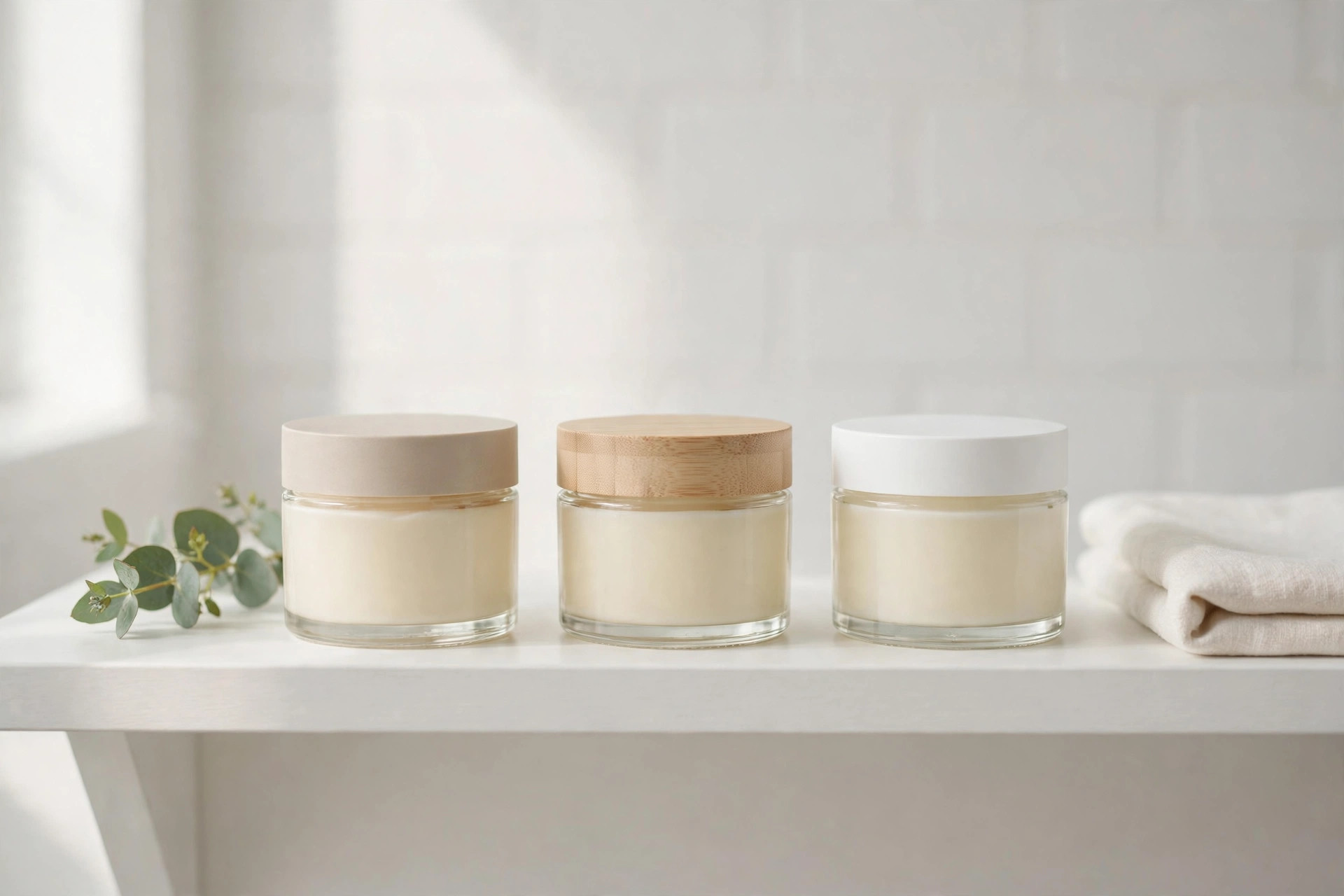
Your skin barrier is the thin, protective layer that keeps moisture in and irritation out, and when it is unhappy, skin feels tight, red, dry or stingy. The good news is that a damaged barrier usually recovers well with a simple, gentle routine, because skin recovers well when you stop overloading it. Repair is less about buying new products and more about simplifying what you already do.
These seven ideas show you how to strip your routine back, moisturise properly, and protect your skin while it recovers, so it can feel calm and strong again. Be patient, because repair takes a few weeks, not a few days. Every idea is gentle, and together they give your skin the quiet time it needs to recover.
1. Simplify your routine to three steps
When your barrier is unhappy, the first step is to stop using everything except the basics: a gentle cleanser, a plain moisturiser and sunscreen. Put all serums, acids, scrubs and strong treatments away for at least two weeks, and let your skin rest. A short routine removes the guesswork, because if your skin calms down, you will know the extra products were part of the problem. You can add things back one at a time later, but for now, three steps are enough, and simple is exactly what recovering skin needs.
2. Use a rich, fragrance-free moisturiser
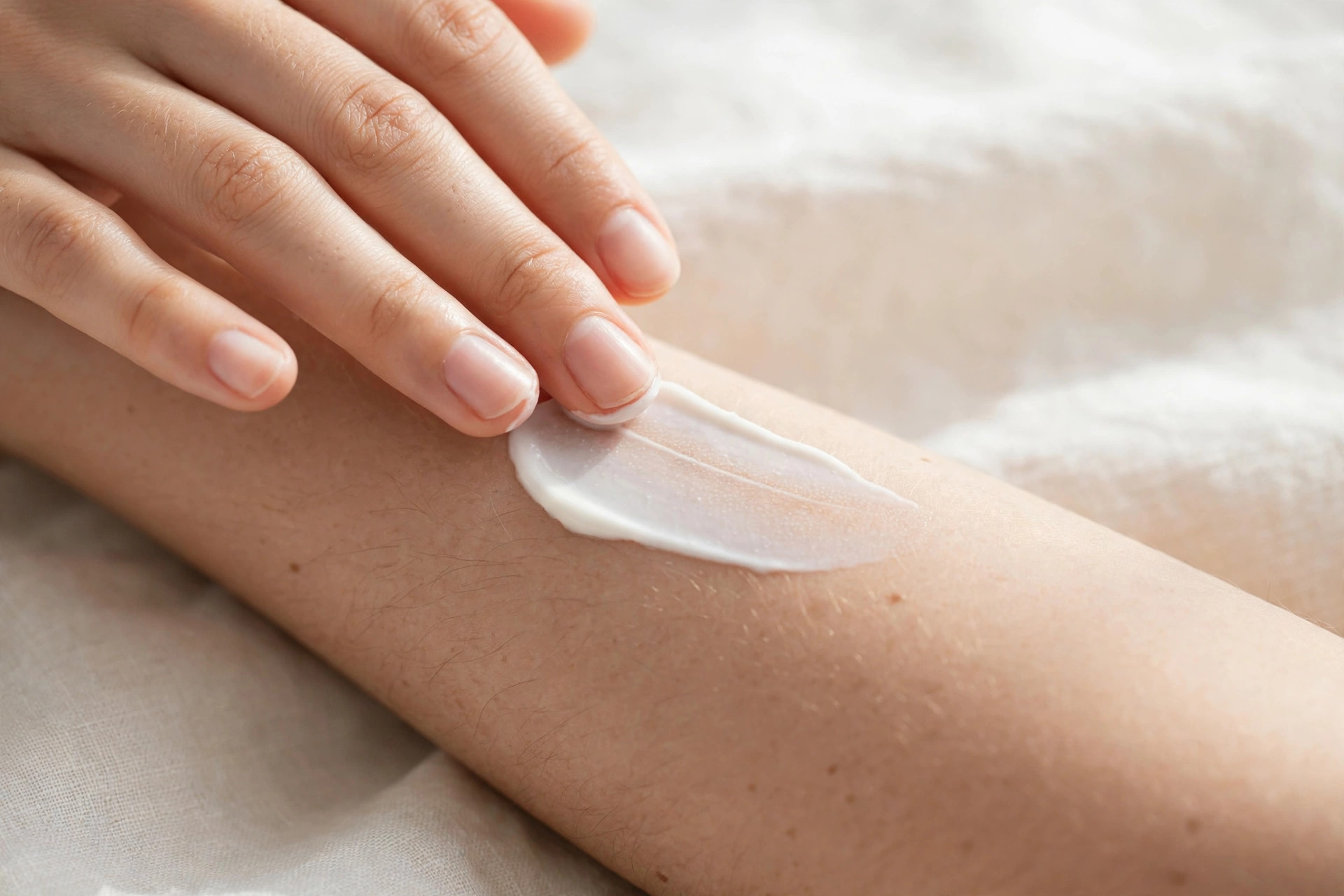
A good barrier cream is thick, plain and fragrance-free, because it needs to seal moisture in without adding anything that could irritate. Apply a generous layer morning and night, and add a little extra on any spot that feels tight or dry. Look for creams with ceramides, glycerin or squalane on the label, and skip anything with strong scent or essential oils. The right moisturiser feels comforting the moment it goes on, and that comfort is a sign your barrier is getting what it needs.
3. Wash with lukewarm water only
Hot water strips the skin barrier faster than almost anything else, so switching to lukewarm water is one of the easiest repairs you can make. Wash your face with lukewarm water and a gentle cleanser, keep showers short and not too hot, and pat your skin dry with a soft towel instead of rubbing. The water should feel comfortable, never hot, and your skin should not look red after washing. This one change alone can calm a lot of irritation within a week, because heat is a hidden cause of barrier damage.
4. Stop all exfoliating until skin feels calm
Exfoliating, whether with scrubs or acids, removes the top layer of skin, and that is the last thing a damaged barrier needs. Stop all exfoliating completely until your skin feels comfortable again, which usually takes two to four weeks. When you restart, begin with a very gentle method once a week and stop immediately if your skin feels tight or stingy. A healthy barrier can handle gentle exfoliation, but a damaged one cannot, and waiting is always better than pushing through.
5. Wear sunscreen every single morning
Sun is hard on a weakened barrier, so sunscreen every morning is essential while your skin recovers. Choose a gentle, fragrance-free sunscreen, apply it as the last step of your morning routine, and use enough to cover your face and neck. A mineral sunscreen is often the kindest choice for sensitive skin, because it sits on top rather than sinking in. Protection now means your barrier can recover without new damage, and that is the fastest route back to healthy skin.
6. Sleep on a clean pillowcase and skip heavy makeup
Your pillowcase and your makeup both touch your skin for hours, so keeping them clean and light helps your barrier recover. Change your pillowcase every two or three days, wash it with a gentle detergent, and wear as little makeup as you can while your skin recovers. When you do wear makeup, remove it gently with a mild cleanser and never sleep in it. These small habits reduce the daily irritation your skin has to fight, and that gives your barrier the quiet it needs to rebuild.
7. Be patient and add products back one at a time
Barrier repair takes time, usually two to four weeks before skin feels truly comfortable again, so patience is part of the treatment. Do not add new products during this time, and when your skin feels calm, add back only one product at a time, waiting a week before the next. If a product causes tightness or redness, stop it and wait again. Slow and steady is how you find out what your skin actually likes, and a routine built this way stays gentle for the long term.
Shop the look
These are the pieces and products that help you get this look. Names only — no links or prices yet.
- Gentle gel cleanser
- Fragrance-free barrier cream
- Ceramide moisturiser
- Glycerin serum
- Squalane oil
- Mineral sunscreen SPF 30
- Soft cotton towel
- Silk pillowcase
- Gentle laundry detergent
Frequently asked questions
How do I know if my skin barrier is damaged?
Common signs are tightness, redness, dryness, flaking, or stinging when you apply products that never bothered you before. If your skin suddenly reacts to everything, your barrier is likely unhappy, and simplifying your routine is the best first step.
How long does it take to repair the skin barrier?
Usually two to four weeks of a simple, gentle routine before skin feels comfortable again. Be patient and do not add new products during this time, because rushing slows the repair down.
Can I wear makeup while repairing my barrier?
A light layer is fine if your skin tolerates it, but keep it minimal and always remove it gently before bed. Heavy makeup and harsh removers add irritation, so give your skin as many bare days as you can.